Yes, in the research that exists. Fulton's 1989 survey graded ethylhexyl palmitate 4 out of 5, and a 2021 randomized trial used its synonym, octyl palmitate, as the positive control, raising microcomedone counts by more than 50% in all 12 analyzed volunteers [1][3][4]. Those are ingredient-level results, so they do not prove any one product will cause breakouts.
Key takeaways
- Fulton graded ethylhexyl palmitate 4 for comedogenicity and 0 for irritancy in the rabbit ear [1].
- Octyl palmitate is a synonym for the same ester, so research under either name applies [4].
- In a 2021 double-blind trial on human backs, octyl palmitate raised microcomedones by more than 50% in every analyzed subject [3].
- A 2025 review lists octyl palmitate at 4 to 5 in the rabbit ear and describes human validation as limited [2].
- A safety panel judged alkyl esters safe as used when formulated to be nonirritating. That is not the same as non-comedogenic [5].
What is ethylhexyl palmitate?
Ethylhexyl palmitate is an ester of 2-ethylhexyl alcohol and palmitic acid. It is also listed as 2-ethylhexyl palmitate and octyl palmitate [4]. In cosmetics it is used as an emollient and thickener [2].
On a label it appears as Ethylhexyl Palmitate. Older labels and supplier documents may say Octyl Palmitate.
What does the research show?
| Source | Finding |
| Fulton 1989 | Graded 4 for comedogenicity and 0 for irritancy in the rabbit ear [1] |
| JAAD Reviews 2025 | Octyl palmitate scored 4 to 5 in the rabbit-ear assay, with early rabbit data and limited human validation. It and isopropyl myristate consistently caused heavy follicular keratinization [2] |
| Waranuch and colleagues 2021 | In a double-blind randomized trial, octyl palmitate was the positive control. Occlusive back patches for four weeks raised comedone formation by more than 50% in every analyzed subject [3] |
| Cosmetic Ingredient Review 2015 | Alkyl esters as a group are safe in current use and concentration when formulated to be nonirritating [5] |
| Distributor safety data sheet 2017 | Lists the raw material as 'Tested as Non-Comedogenic' without giving test details [6] |
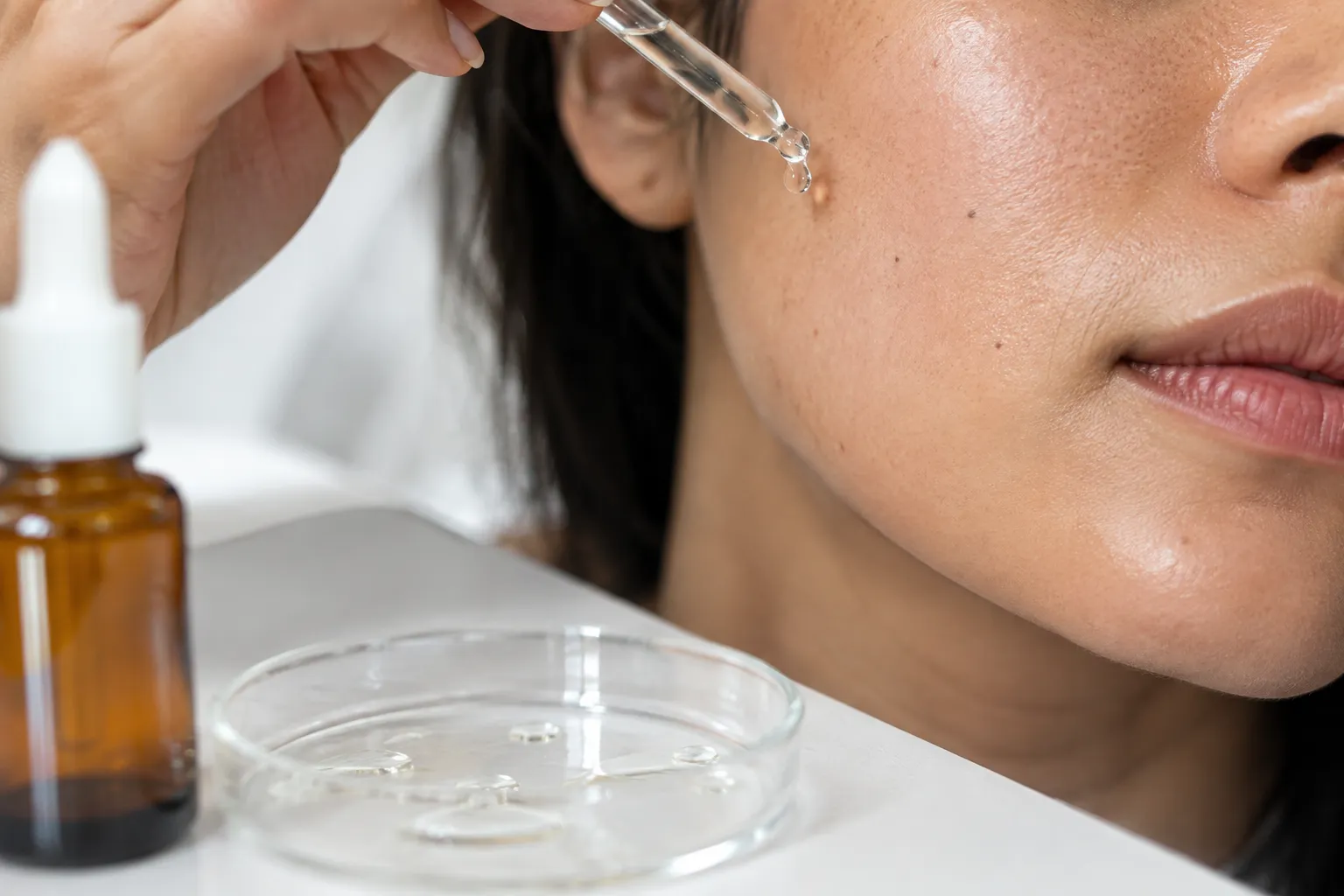
The 2021 trial matters because it is human data. Healthy Thai men aged 20 to 45 took part, and 12 were analyzed. In the same trial, test products containing lanolin, kernel oil, avocado oil and sunflower oil, among other ingredients, were judged non-comedogenic [3].
Same acid, different alcohol: the palmitate family
The palmitic acid part is shared by several ingredients, but the grades differ with the alcohol attached.
| Ingredient | Fulton grade |
| Palmitic acid | 2 |
| Isopropyl palmitate | 4 |
| Ethylhexyl palmitate | 4 |
| Cetyl palmitate | 0 |
Fulton noted that long-chain waxes appeared too large to produce a reaction, and cetyl palmitate fits that pattern [1]. The lesson is practical: a shared word on the label tells you little. See How to Read an Ingredient List for Acne-Prone Skin for more naming traps.
How does it compare with isopropyl myristate?
Isopropyl myristate graded 5, and Fulton used it as his standard positive test agent [1]. Ethylhexyl palmitate graded one step lower. In the 2021 trial, ethylhexyl palmitate's synonym played the same positive-control role in humans [3]. Read Is Isopropyl Myristate Comedogenic? for the benchmark ingredient.

What does the evidence not show?
- Face data. The 2021 trial tested the upper back, not the face [3].
- A safe amount. Fulton tested ingredients at 10% in propylene glycol [1]. No source here gives a safe percentage.
- How a finished product behaves. A 2006 study found that finished products using comedogenic ingredients are not necessarily comedogenic [7].
- Whether a claim means anything. The distributor's 'tested as non-comedogenic' line conflicts with the research above and gives no method. Non-comedogenic is not regulated by any governing body [8]. See Non-Comedogenic vs Oil-Free.
Is it safe or comedogenic?
Both statements can be true. The Cosmetic Ingredient Review panel concluded that alkyl esters are safe as used when formulated to be nonirritating [5]. Safety reviews ask whether an ingredient is toxic or irritating. Comedogenicity asks whether it may block pores.
What can you do about it?

- Check your products. Paste an ingredient list into the Klenzera scanner to see whether ethylhexyl palmitate or octyl palmitate appears and where.
- Weigh its position. Near the top of a leave-on product matters more than near the end. See Does Ingredient Order Matter?.
- Test one product at a time. Use the steps in How to Know If a Product Will Clog Your Pores.
Frequently asked questions
Is ethylhexyl palmitate acne safe?
It graded 4 in rabbit-ear testing [1], and its synonym raised microcomedones in a human back trial [3]. For acne-prone skin, treat it as a flag to check.
Is octyl palmitate the same thing?
Yes. Octyl palmitate is a synonym for ethylhexyl palmitate [4].
Is it the same as isopropyl palmitate?
No. They are different esters. Both graded 4 in Fulton's survey [1].
Does a non-comedogenic claim on the raw material settle it?
No. A claim about an ingredient is not a test of the finished product [7][8].
When should I see a dermatologist?
If breakouts are painful, cystic, scarring, persistent or suddenly worse, or if you suspect an allergic reaction, talk to a dermatologist or doctor.
The bottom line
Ethylhexyl palmitate has rabbit-ear and human back evidence pointing the same way, which makes it a well-supported flag. Check where it sits in a product, test one product at a time, and let your own skin decide.
This article is for educational and informational purposes only and is not dermatological diagnosis, medical treatment, or clinical advice. Talk to a licensed dermatologist about medical concerns.
Related reading: Comedogenic Ingredients List | Is Isopropyl Myristate Comedogenic? | Are Comedogenic Ratings Reliable? | How to Read an Ingredient List for Acne-Prone Skin
References
- Fulton JE Jr. Comedogenicity and irritancy of commonly used ingredients in skin care products. J Soc Cosmet Chem. 1989;40:321-333.
- Comedogenicity in cosmeceuticals: a review of clinical relevance, regulatory gaps, and future directions. JAAD Reviews. 2025.
- Waranuch N, Wisutthathum S, Tuanthai S, et al. Safety assessment on comedogenicity of dermatological products containing d-alpha tocopheryl acetate in Asian subjects: a double-blind randomized controlled trial. Contemp Clin Trials Commun. 2021;23:100834.
- ChemicalBook. Ethylhexyl palmitate (synonyms and properties). amp.chemicalbook.com/ChemicalProductProperty_EN_CB0225650.htm
- Fiume MM, Heldreth BA, Bergfeld WF, et al. Safety assessment of alkyl esters as used in cosmetics. Int J Toxicol. 2015;34:5S-69S.
- MakingCosmetics.com. Safety data sheet: ethylhexyl palmitate. 2017. makingcosmetics.com
- Draelos ZD, DiNardo JC. A re-evaluation of the comedogenicity concept. J Am Acad Dermatol. 2006;54(3):507-512. doi:10.1016/j.jaad.2005.11.1058
- Clinical utility of marketing terms used for over-the-counter dermatologic products. J Dermatolog Treat. 2018;29(8):841-845. doi:10.1080/09546634.2018.1467540